If you work in the transportation or construction industry, you may have come across the term “beavertail flatbed” when discussing different types of trucks and trailers. But what exactly is a beavertail flatbed, and why is it such a popular choice for transporting heavy machinery and equipment? In this article, we will delve into the world of beavertail flatbeds, exploring their design, functionality, and benefits.
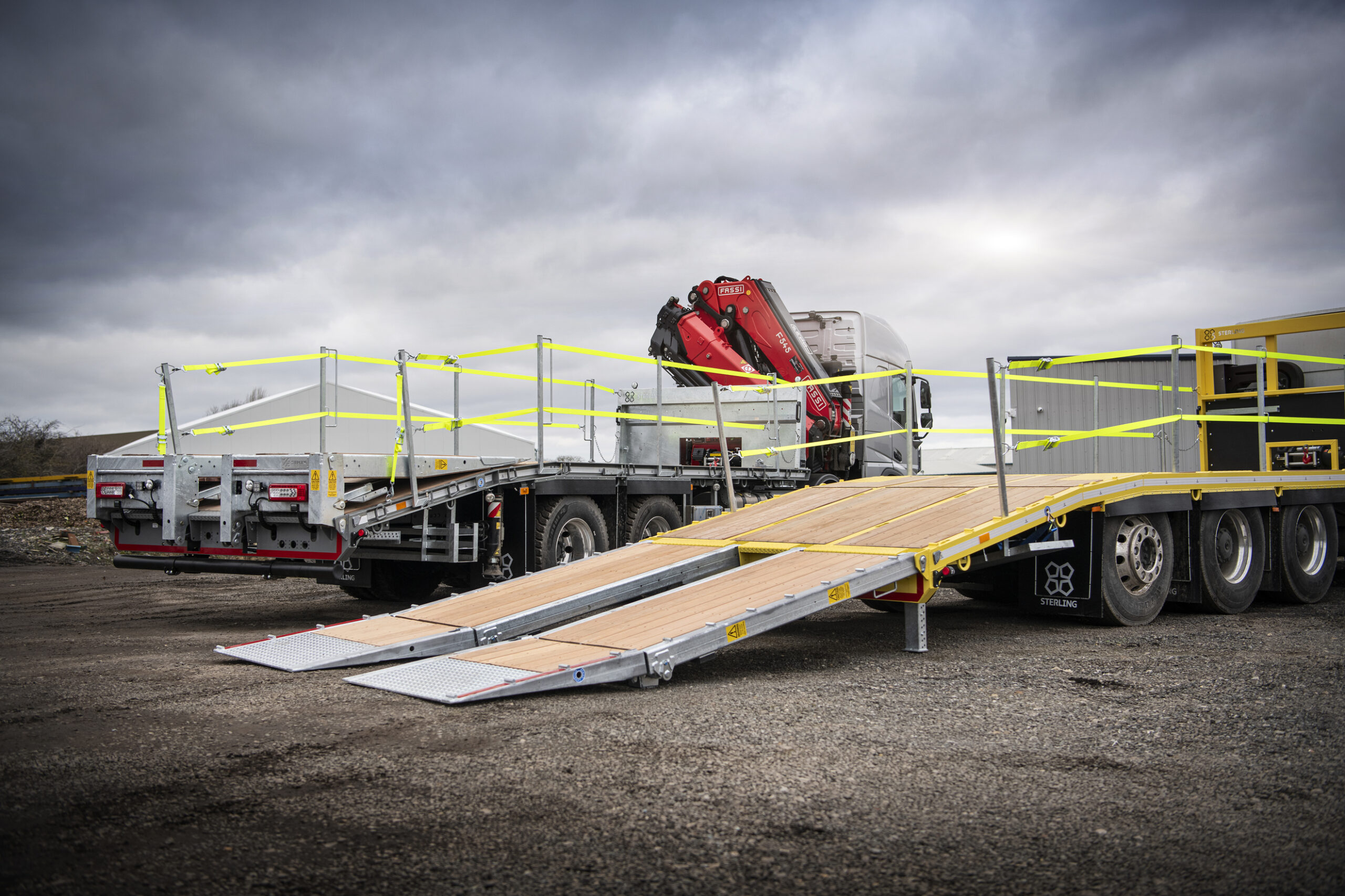
A beavertail flatbed is a type of trailer commonly used to transport heavy equipment, machinery, and vehicles. The main feature that sets a beavertail flatbed apart from a regular flatbed trailer is its unique design, which includes a sloped or hinged section at the rear of the bed that can be lowered to create a ramp. This ramp allows for easy loading and unloading of equipment, making it a versatile and practical option for transporting a wide range of goods.
The name “beavertail” comes from the resemblance of the ramp to the tail of a beaver, with its sloped design making it easier for vehicles and equipment to drive onto the flatbed. This feature is especially useful when loading heavy machinery that may not be able to be lifted onto a regular flatbed trailer. By using a beavertail flatbed with a ramp, you can simply drive the equipment onto the bed, saving time and effort during the loading and unloading process.
One of the key advantages of a beavertail flatbed is its versatility. These trailers are commonly used to transport construction equipment, such as excavators, bulldozers, and forklifts, as well as other heavy machinery like generators and compressors. The ramp design of a beavertail flatbed also makes it ideal for transporting vehicles, such as cars, trucks, and ATVs, as they can easily drive onto the bed without the need for additional equipment.
In addition to their versatility, beavertail flatbeds offer several other benefits that make them a popular choice for businesses in the transportation and construction industries. The ramp design not only simplifies the loading and unloading process but also reduces the risk of damage to equipment and vehicles. By driving onto the bed rather than being lifted, heavy machinery is less likely to be scratched or bumped during transportation.
Furthermore, the ramp on a beavertail flatbed can be adjusted to accommodate different types of equipment and vehicles, making it a flexible option for transporting a variety of goods. Whether you need to transport a small car or a large excavator, a beavertail flatbed can be customized to suit your specific needs, helping you to get the job done efficiently and safely.
When it comes to choosing a beavertail flatbed for your transportation needs, there are a few key factors to consider. The size and weight capacity of the trailer are important considerations, as you will need to ensure that it can safely transport the equipment or vehicles you plan to carry. You should also think about the type of ramp that is best suited to your needs, whether it is a folding ramp, sliding ramp, or hydraulic ramp.
In conclusion, a beavertail flatbed is a versatile and practical option for transporting heavy machinery, equipment, and vehicles. With its unique ramp design and numerous benefits, including ease of loading, reduced risk of damage, and flexibility, a beavertail flatbed is an essential tool for businesses in the transportation and construction industries. Whether you are moving construction equipment to a job site or delivering vehicles to a dealership, a beavertail flatbed can help you get the job done safely and efficiently.